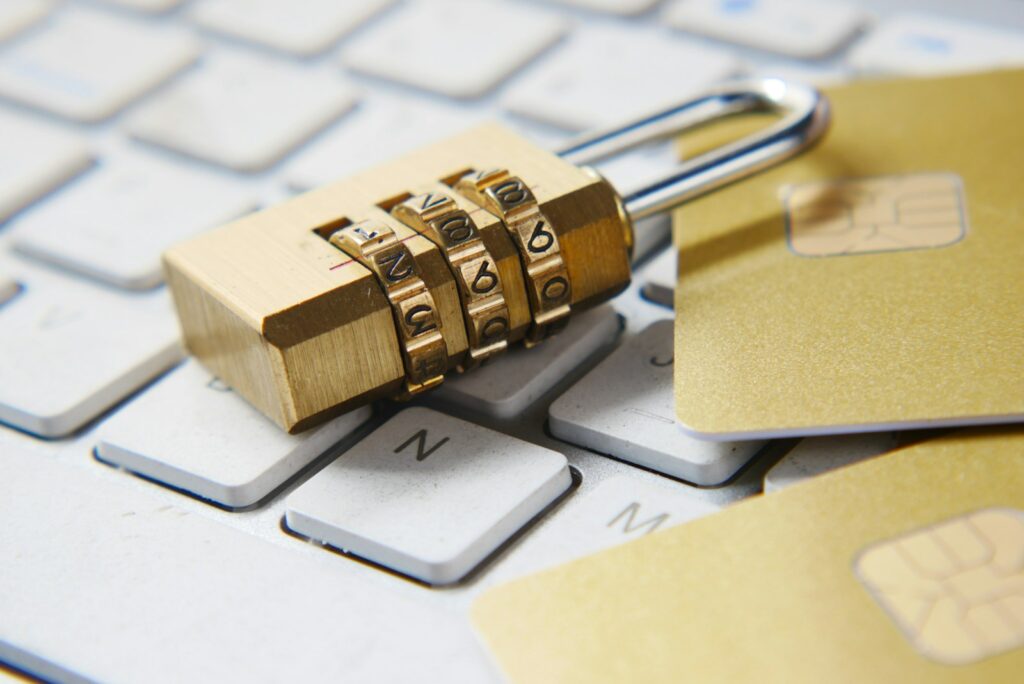
From the locked filing cabinet to artificial intelligence: a short history of protecting information
For generations, sensitive information sat in a locked filing cabinet or a safe. Today it travels everywhere, and attacks move at AI speed. Here is how we got here, and why we once again need a safe and a surveillance system, digital ones this time.
The tools change. The need to protect what matters does not.
The timeline at a glance
In a few decades, information moved from paper to the cloud. Each step brought more convenience, and new risks.
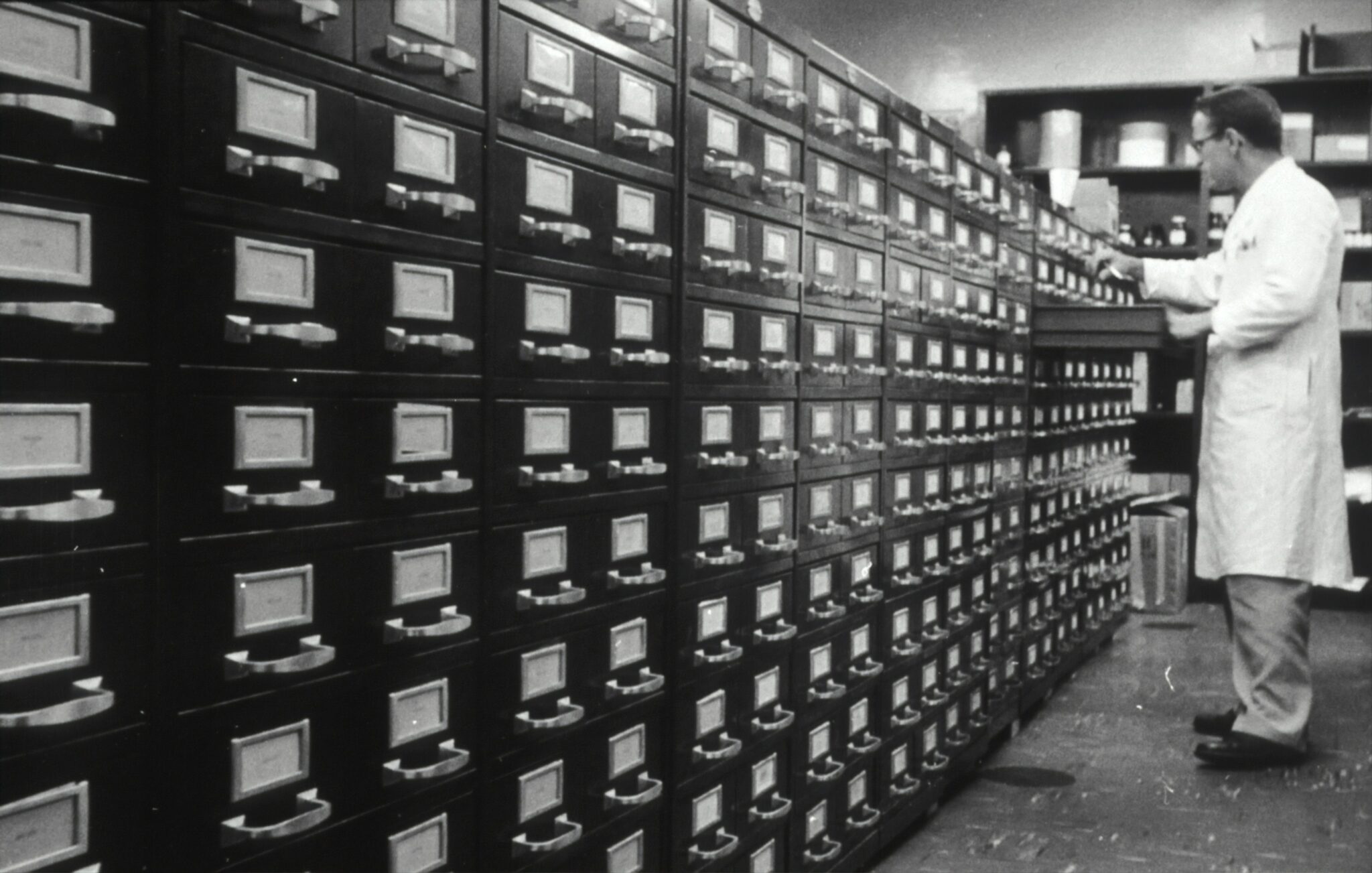
Before: the locked filing cabinet and the safe
For a long time, important information lived on paper: client files, contracts, account books, medical records. It was protected by very concrete means: a locked filing cabinet, a locked room, a safe, sometimes a safety deposit box at the bank.
To get at it, you had to be there in person. A thief had to force a door, and could only leave with what they could carry. The risk was real (theft, fire, water damage), but it was local and visible.
Worth remembering. Protection rested on three simple ideas: a solid container, a key given to the right people, and someone keeping watch. Those three ideas still hold.
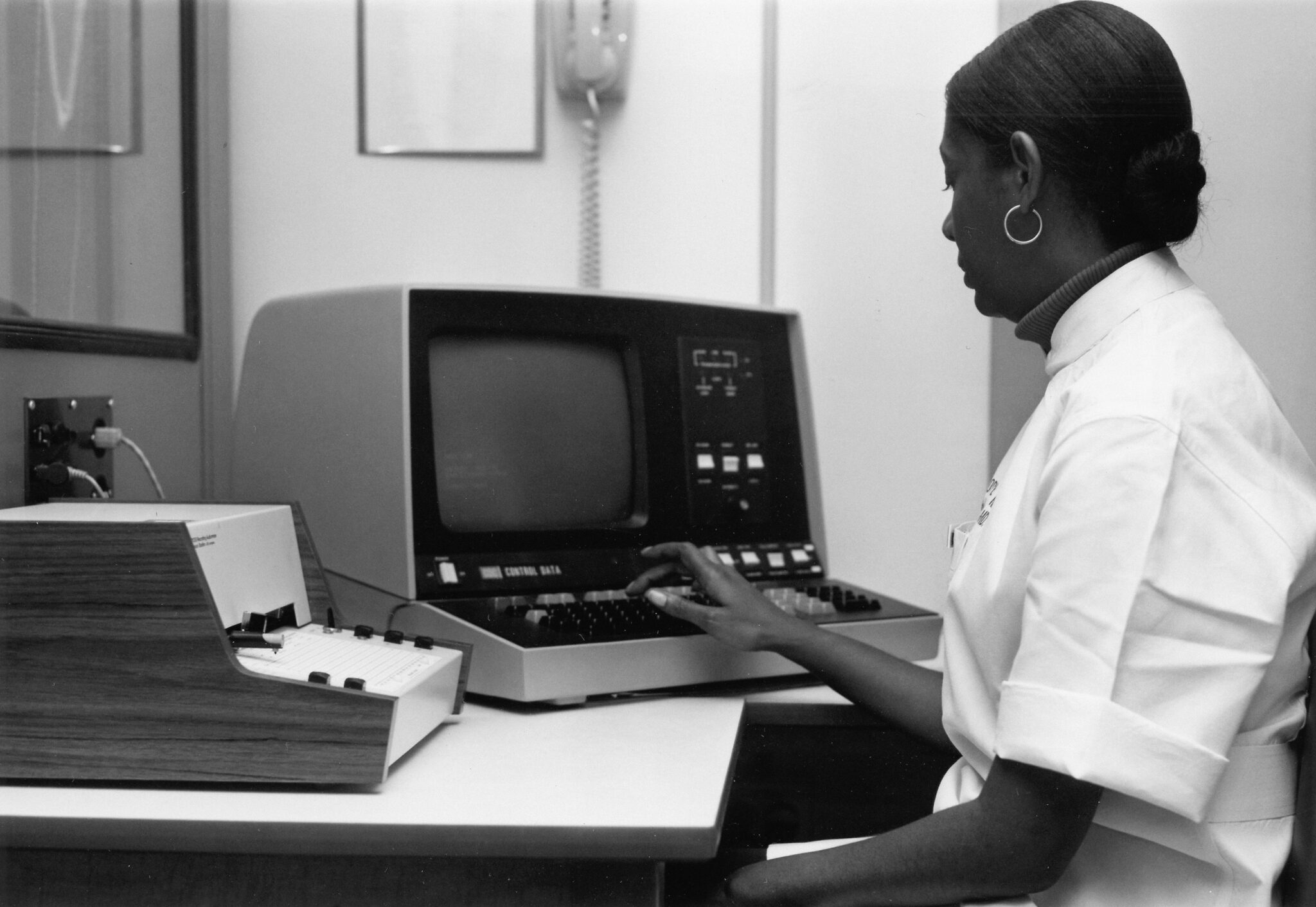
The 1980s: the computer comes to the office
Index cards and filing cabinets gradually move into computers. Information takes less room and can be copied in seconds: that is its great strength, and its new weakness.
The first warnings come quickly. In November 1988, the Morris worm spreads across the Internet, which then had only about 60,000 connected computers, and slows thousands of machines. In 1989, the first known ransomware is mailed out on roughly 20,000 floppy disks: it scrambled file names and demanded $189 to restore them.
The 1990s and 2000s: everyone gets connected
The Web, invented at CERN at the turn of the 1990s and released into the public domain in 1993, brings the Internet into homes and shops. Email, online shopping, online banking: many people hesitate. Putting a card number or your files “in the computer” is scary, and that is normal: it is new.
People do it anyway, because it has become necessary and, on the whole, it goes well. Laws follow: in Quebec, the Act respecting the protection of personal information in the private sector comes into force in 1994.
Since 2010: information is everywhere
Phones, cloud services, remote work, connected devices: information no longer sits in a single room. It is on several devices, with several providers, reachable from anywhere.
That is convenient, but a thief no longer needs to force a door: they can try their luck from anywhere in the world, against thousands of targets at once. Phishing, password theft and ransomware become a real industry. Rules tighten: in Quebec, Law 25 came into force in stages, from September 2022 to September 2024.
Now: attacks at AI speed
Artificial intelligence speeds everything up, attacks included. According to CrowdStrike’s 2026 Global Threat Report, attacks by groups that use AI rose 89% in one year.
Once inside, an attacker takes 29 minutes on average to move from the first device to a second one. The fastest case observed: 27 seconds. In another intrusion, data copying began four minutes after entry. Credential theft, moving through the network, copying data, ransomware: what used to take days now plays out in minutes.
27 seconds. That is less time than it takes to read this paragraph. No human can watch a network at that pace, day and night.
The safe and the cameras, digital edition
The good news: the ideas that protected paper still work. They only need to be carried over.
For backups, the method is explained in our article on the 3-2-1 rule.
Why AI is becoming essential for defence
Every major step has followed the same path: something new that worries people, gets adopted, and then becomes impossible to do without. The computer, the Internet, the cloud: AI is on the same road.
Against automated attacks, you need a defence that analyzes and reacts at the same speed. That is why Évolution Continue builds AI into the way it monitors and protects: AI sorts and flags in seconds, a technician validates and decides. AI does not replace human judgment; it gives it time to act.
BeforeThe safe
NowThe digital safe: encrypted data and passwords stored in a password manager.
BeforeThe key and the combination
NowTwo-step verification: a unique password, plus a code on your phone.
BeforeCameras and the alarm
NowNetwork monitoring: an internal system that watches and flags what is unusual.
BeforeThe night watchman
NowAI on watch: detection and response in seconds, at any hour.
BeforeThe copy in the safety deposit box
NowThe off-site backup: a copy kept safe and tested regularly.
BeforeThe visitor log
NowAccess logs: who opened what, and when.
Is your information protected the 2026 way?
Check what is true for you, honestly.
Frequently asked questions
Was information safer on paper?
It was harder to reach from a distance, but not safe: a fire, water damage or a theft could take everything, with no copy. Well-protected digital information is more resilient: multiple copies, encryption, access logs.
What exactly does “27 seconds” mean?
It is the shortest time CrowdStrike observed in 2025 between an attacker getting into a first device and moving on to a second one. The average is 29 minutes. It is not the length of a complete attack, but it shows how fast you need to react.
Is a small business or a family really a target?
Automated attacks do not choose: they try everything that is connected. Size does not protect you; good habits do.
Should we be afraid of AI?
No more than of the Internet in 1995. It is a tool: attackers use it, and it is also used for defence. What matters is using it with good rules: data confidentiality and human verification.
Sources
- CrowdStrike, 2026 Global Threat Report (February 2026): 27 seconds, 29 minutes, 89% increase.
- Lawrence Livermore National Laboratory: the 1988 Morris worm.
- CSO Online: the history of ransomware since 1989.
- Commission d’accès à l’information du Québec: Law 25.
Your digital safe, we build it with you
Small business, non-profit or family: we take a clear look at your situation and give you a plain action plan. It all starts with opening a file and a fixed-rate initial assessment, based on the size of your IT environment.
Could you spot the scam?
5 quick questions. You see the right answer right away.